Carpet cleaning Bermondsey Street experts: a practical local guide for better, healthier carpets
If your carpets are looking tired, trapping odours, or just not bouncing back after daily life, you are not alone. In busy Bermondsey Street homes and workplaces, carpet fibres pick up everything from traffic dust to coffee spills, muddy shoes, pet hair and the odd mystery mark that appears overnight. That is where Carpet cleaning Bermondsey Street experts make a real difference: not by "freshening things up" in a vague way, but by using the right method for the fibre, the stain, and the space. This guide explains what professional carpet cleaning actually involves, when it makes sense, and how to get better results without paying for work you do not need.
Whether you are looking after a small flat, a busy office, or a property that has seen better days, the aim is the same: cleaner carpets, fewer allergens, longer-lasting flooring, and less stress. Simple enough, really.
Table of Contents
- Why Carpet cleaning Bermondsey Street experts Matters
- How Carpet cleaning Bermondsey Street experts Works
- Key Benefits and Practical Advantages
- Who This Is For and When It Makes Sense
- Step-by-Step Guidance
- Expert Tips for Better Results
- Common Mistakes to Avoid
- Tools, Resources and Recommendations
- Law, Compliance, Standards, or Best Practice
- Options, Methods, or Comparison Table
- Case Study or Real-World Example
- Practical Checklist
- Conclusion
- Frequently Asked Questions
Why Carpet cleaning Bermondsey Street experts Matters
Carpets do more than soften a room. They absorb footfall, hold dust, and shape how clean a home or workplace feels the moment you walk in. That matters on Bermondsey Street, where properties often see a mix of busy day-to-day use, visitors, and the usual London grime that seems to arrive even when you have barely opened a window.
The main reason expert carpet cleaning matters is that surface vacuuming only removes part of the problem. Fine grit settles deep in the pile, and once it works its way down, it can act like sandpaper underfoot. Over time, that wears fibres down and makes even decent carpets look flat. A good clean helps restore the pile and remove the hidden build-up that regular vacuuming misses.
It also matters for comfort and hygiene. Carpets can hold odours, spilled drinks, pollen, and everyday dirt. If someone in the property has allergies, pets, or a habit of eating lunch at their desk, that build-up becomes more noticeable. To be fair, it is one of those things you stop noticing until the room suddenly feels fresher after a proper clean.
Expert summary: professional carpet cleaning is not just about appearances. It supports hygiene, improves the feel of a room, and helps carpets last longer when the right method is used.
For many local properties, another important point is presentation. A clean carpet can make a rented flat feel more welcoming, help an office look cared for, or support a smoother move-out inspection. That is especially useful if you are booking end of tenancy cleaning alongside carpet care or preparing a property after a refresh.
How Carpet cleaning Bermondsey Street experts Works
Professional carpet cleaning usually starts with inspection. The cleaner looks at the fibre type, the level of soiling, any stains, and whether the carpet has special issues such as dye transfer, flattening, or traffic lanes. That first step matters more than people think. A wool carpet, for example, needs a more careful approach than a hard-wearing synthetic one. Use the wrong process, and you can end up with distortion, shrinkage, or a patchy finish.
Next comes pre-treatment. This is where spots, greasy marks, and high-traffic areas are treated before the main clean. Think of it as loosening the problem before the wash. In many cases, the cleaner will agitate the fibres gently so the solution can work properly. On a quiet afternoon, you might barely notice the process, but the results often show once the carpet dries.
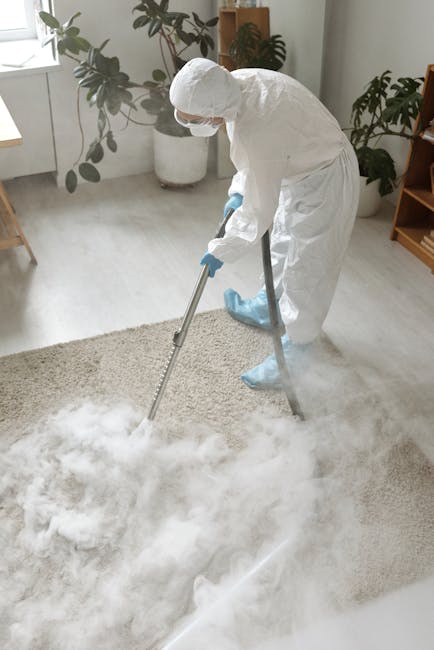
The main cleaning method depends on the carpet and the level of dirt. Hot water extraction, often called steam cleaning by customers, is common for deep cleaning because it flushes dirt from the pile and then extracts moisture. Low-moisture methods can be useful where drying time needs to be shorter. Dry compound cleaning is another option for certain situations, although it is not always the best fit for heavily soiled carpets.
After cleaning, extraction and drying are crucial. Leaving too much moisture behind can lead to lingering dampness or that slightly musty smell nobody wants. Good professionals pay close attention to airflow, drying conditions, and post-clean inspection. That finishing stage is the difference between "cleaned" and actually well cleaned.
If your carpets are part of a wider property refresh, it can also make sense to combine the work with deep cleaning or house cleaning, especially when dust, upholstery, and skirting boards all need attention at once.
Key Benefits and Practical Advantages
The most obvious benefit is visual improvement. Stains fade, colours lift, and rooms tend to look brighter. But that is just the first layer. A proper carpet clean can also reduce built-up debris that contributes to dullness and wear. If you have ever stood in a room and thought, "It is clean, but not clean-clean," this is probably why.
- Better appearance: colour clarity returns and high-traffic areas look less grey.
- Improved freshness: odours from food, pets, and everyday use are reduced.
- Longer carpet life: less grit means less abrasion on fibres.
- Healthier indoor feel: a cleaner carpet can help reduce dust build-up in the room.
- More professional presentation: useful for rentals, homes, receptions, and offices.
There is also a practical advantage that people sometimes overlook: time. A well-planned professional clean can save you the hassle of repeated spot treatments and failed DIY experiments. And yes, there is a real cost difference between a one-off visit and replacing a badly damaged carpet. Most people would rather avoid the second option, understandably.
For business premises, the benefit is even simpler. Visitors notice floors first. A clean carpet can quietly support the overall feel of an office and sit neatly alongside office cleaning and office cleaners as part of routine upkeep.
Who This Is For and When It Makes Sense
Carpet cleaning is useful for a wider group than most people assume. It is not just for people who have made a dramatic mess or are moving out. In fact, many of the best results come from properties that are cleaned before things get too far gone.
You may want Carpet cleaning Bermondsey Street experts if you are:
- keeping a family home looking presentable between bigger cleans
- preparing a rental property for inspection or new occupants
- managing an office with regular foot traffic
- dealing with pet hair, pet odours, or small accidents
- refreshing carpets after building work or redecorating
- trying to lift recurring stains that keep returning after spot cleaning
- wanting a more hygienic feel in bedrooms, living rooms, or communal spaces
It also makes sense after certain life events. A move, a renovation, or a busy season of hosting can leave carpets looking oddly exhausted. Truth be told, carpets often show the story of a property before anything else does.
In some cases, carpet care is best paired with other services. After dust-heavy work, after builders cleaning may be the right starting point. If a rug is the main issue rather than the fitted flooring, then rug cleaning is often more suitable because rugs can be handled differently and more carefully.
Step-by-Step Guidance
If you want to understand what a good carpet cleaning job should look like, it helps to follow the process from start to finish. Here is the practical version, not the glossy brochure version.
- Inspect the carpet properly. A cleaner should identify the material, the level of wear, and any damage before choosing a method.
- Vacuum thoroughly. Dry soil should be removed before wet cleaning begins. Otherwise, the dirt just turns into slurry and makes the job harder.
- Pre-treat marks and traffic lanes. This helps loosen grime where people walk most often, such as hallways and sofa fronts.
- Choose the right technique. Hot water extraction, low-moisture cleaning, or another approach may be selected depending on the carpet.
- Clean in sections. Good technicians work methodically so no area is over-wet or missed.
- Extract moisture carefully. This step should leave the carpet damp, not soggy.
- Review problem spots. Some marks need a second pass, but not every stain can be removed completely.
- Allow proper drying. Airflow and room conditions matter. Walk on the carpet too early, and you undo some of the work.
A simple way to think about it: preparation, treatment, cleaning, extraction, drying. If any part is rushed, the finish usually shows it.
Expert Tips for Better Results
There are a few things that tend to separate a decent clean from a really good one. First, do not wait until the carpet is visibly filthy before acting. Deep dirt is harder to remove, and older stains can bond more tightly to the fibres. Regular maintenance makes every professional clean easier and more effective.
Second, deal with spills quickly, but gently. Blot, do not rub. Rubbing drives liquid deeper into the pile and can distort the fibre. That old "scrub harder" instinct is understandable, but it often makes the problem worse. A clean white cloth and patient blotting will usually do more good than drama.
Third, ask for the method that suits the carpet, not just the one that sounds most powerful. A delicate wool blend may need a gentler process than a synthetic office carpet. Experts should be able to explain why they are recommending one approach over another. If they cannot, that is a small warning sign.
Fourth, keep an eye on drying conditions. Open internal doors where practical, use ventilation, and avoid trapping humidity. A room that smells slightly damp by evening may simply need more airflow, but it is worth checking. Better safe than sorry.
Finally, consider the whole room. Carpets do not exist in a vacuum, oddly enough. Upholstery, curtains, dust on skirting boards, and windows all affect how fresh the space feels. That is why many clients pair carpet work with upholstery cleaning, sofa cleaning, or even window cleaning when they want the room to feel properly reset.
Common Mistakes to Avoid
One of the most common mistakes is using too much water. More water does not mean more clean. In fact, it can leave residue, extend drying time, and sometimes push dirt deeper. The carpet should not feel like it has survived a small flood.
Another mistake is choosing the wrong chemical for the fibre. Harsh products can damage colour or leave sticky residue that attracts dirt later. If a stain treatment seems aggressive, ask questions. A trustworthy cleaner should be able to explain what they are using and why.
People also often ignore stain age. Fresh marks are usually easier to remove than old ones that have been stepped on, heated, or treated with the wrong DIY product. Trying five different things in sequence is rarely the winning strategy. It tends to make the carpet look more complicated, not less.
Other common errors include:
- not vacuuming before wet cleaning
- walking on the carpet too soon
- forgetting to test treatments in a small area first
- scrubbing stains aggressively
- booking the cheapest option without checking what is included
A last one that matters: assuming every carpet can be treated the same way. It cannot. A reputable cleaner should treat each room as its own little case, because that is what it is.
Tools, Resources and Recommendations
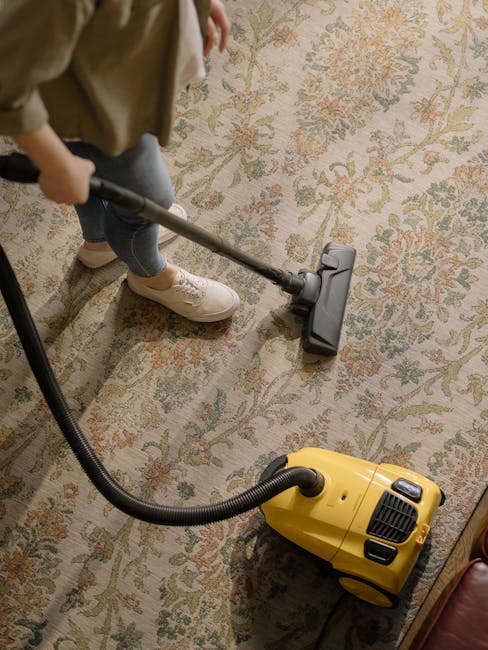
You do not need a van full of equipment to maintain carpets between professional visits, but a few sensible tools help. A quality vacuum with decent suction is the most important thing. Regular use removes dry soil before it settles into the pile. If you have pets or a busy household, vacuuming more often makes a noticeable difference.
Microfibre cloths are useful for spills and local spot treatment. A plain cloth is often better than a fancy spray, especially when you are trying to avoid spreading a stain. A soft brush can help lift fibres after drying, though it should be used gently. No one wants a carpet that looks like it has been through a small hedge trimming exercise.
For larger jobs or recurring build-up, professional cleaning is the better recommendation. If you are comparing service needs, the following pages can help you think through related options without overbooking the wrong thing: carpet cleaning, carpet cleaner, and carpets cleaner.
In homes with mixed floor types, it can also be useful to coordinate with hard floor cleaning so the whole space feels consistent. A spotless hallway next to tired carpet, well, it sort of tells on the rest of the room.
Law, Compliance, Standards, or Best Practice
For carpet cleaning, the most important compliance point is not a single headline rule but a sensible set of best practices. In the UK, responsible cleaners should follow safe working methods, use products appropriately, and take care where slip risk or electrical equipment is involved. That is especially relevant in homes with children, older residents, pets, or busy commercial premises.
It is also reasonable to expect clear communication about insurance, safety, and how work will be carried out. A professional cleaning company should be able to explain what happens if a surface is delicate, what precautions are taken around furnishings, and how unexpected issues are handled. Documents such as a clear health and safety policy, insurance and safety information, and transparent terms and conditions help build that trust.
Payment practices matter too. If you are paying online or by card, simple reassurance around payment and security is useful. And if you are comparing providers, a clear pricing and quotes page can help you judge whether the service is likely to fit your budget before anyone starts moving furniture.
There are also broader ethical and environmental considerations. A company that pays attention to recycling and sustainability is usually thinking a bit more carefully about waste, water use, and product choice. That may not be the first thing people ask about, but it is worth caring about. Quietly important, that.
Options, Methods, or Comparison Table
Different cleaning methods suit different carpets and different expectations. Here is a simple comparison to make the choices easier.
| Method | Best for | Advantages | Watch-outs |
|---|---|---|---|
| Hot water extraction | Deep soil, general domestic carpets, visible build-up | Strong cleaning power, good for embedded dirt | Longer drying time if over-used |
| Low-moisture cleaning | Busy spaces, quicker turnaround needs | Faster drying, less disruption | May be less effective on heavy staining |
| Dry compound cleaning | Some commercial settings and lightly soiled carpets | Minimal moisture, useful in certain environments | Not ideal for every carpet type |
| Spot treatment only | Small isolated marks | Quick and targeted | Does not refresh the whole carpet |
If you are not sure which to choose, start with the condition of the carpet and the time you have available for drying. That decision alone rules out a lot of bad fit choices. A good cleaner should help with that decision rather than pushing one method every time.
For broader property maintenance, it may also make sense to combine carpet work with domestic cleaning or one-off cleaning when the aim is a full reset rather than a single service.
Case Study or Real-World Example
Imagine a Bermondsey Street flat used by a couple with one small dog and a lot of foot traffic from the hallway to the living room. The carpet is not ruined. It is just a bit tired, with a dull line down the main walking route and a few light marks near the sofa. Nothing dramatic. The sort of thing you stop noticing after a while.
They could try several rounds of store-bought products and spend a Saturday chasing the same stains around. Or they could have the carpet inspected, pre-treated, and professionally cleaned in a way that suits the fibres. In a case like that, the improvement is often in the feel of the room as much as the look. The colour comes back, the stale smell disappears, and the flat feels more looked after.
Another common scenario is an office with repeated entrance dirt from wet weather. The issue is not one giant stain, it is a general build-up around pathways and meeting rooms. A well-timed clean can restore that professional first impression and make routine maintenance easier. The important bit is matching the method to the use pattern, not just the surface appearance.
That is the real lesson here. Good carpet cleaning is specific. The best results come from understanding what the carpet has been through, not just what it looks like today.
Practical Checklist
Before you book or carry out carpet cleaning, use this quick checklist. It keeps things simple and avoids the usual last-minute confusion.
- Identify the carpet material if you can.
- Check whether stains are fresh, old, or previously treated.
- Vacuum thoroughly before any wet cleaning begins.
- Move small items and fragile objects out of the way.
- Confirm drying time and ventilation options.
- Ask which method will be used and why.
- Request clarification on insurance, safety, and aftercare if needed.
- Consider whether related services like upholstery or deep cleaning would help.
- Keep pets and children away until the carpet is properly dry.
- Review the result in daylight if possible.
It is a small list, but it saves hassle. And that is usually the difference between a decent clean and a really smooth experience.
Conclusion
Carpet cleaning Bermondsey Street experts are most useful when they bring judgement, not just equipment. The right clean depends on fibre type, stain history, drying time, and how the space is actually used. Get that right and you will notice the room feels brighter, cleaner, and easier to live or work in.
For homeowners, that might mean a fresher living room and less wear on a long-term investment. For landlords and tenants, it can mean fewer headaches at the end of a tenancy. For offices, it means a better first impression and a more comfortable day-to-day environment. Different situations, same basic goal: make the carpet last longer and look far better while you are at it.
Get a free quote today and see how much you can save.
And if you are still deciding, that is fine too. A good carpet clean should leave you feeling relieved, not rushed. Sometimes the simplest improvement makes the whole place breathe a little easier.
Frequently Asked Questions
How often should carpets be professionally cleaned?
It depends on use. Busy homes, pet households, and office spaces usually need cleaning more often than low-traffic rooms. A sensible schedule is often based on visible wear, odours, and how quickly the carpet starts looking flat again.
Is hot water extraction always the best method?
No. It is effective for many carpets, but not every carpet needs or suits that approach. Some fibres, settings, and drying constraints are better served by low-moisture or other specialist methods.
Can professional carpet cleaning remove every stain?
Not always. Fresh spills and surface marks often respond well, but old, heat-set, or chemically damaged stains may only improve rather than disappear completely. A careful cleaner should be honest about that before starting.
Will carpet cleaning make my carpet smell damp?
It should not if the carpet is cleaned correctly and allowed to dry properly. Good extraction and ventilation are key. If a carpet is left too wet, that is when lingering dampness becomes more likely.
How long does a carpet take to dry?
Drying time varies by method, carpet type, room temperature, and airflow. Low-moisture methods dry faster, while deeper wet cleaning takes longer. A professional should give you a realistic window rather than a guess.
Is it safe for children and pets?
Usually yes, once the carpet is dry and any products used are applied correctly. If anyone in the household is very sensitive, ask what products are being used and how long the area should be left undisturbed.
Should I vacuum before the cleaners arrive?
Yes, if possible. Pre-vacuuming removes dry soil and helps the cleaning process work more effectively. It is a small task that makes a noticeable difference.
What is the difference between carpet cleaning and rug cleaning?
Carpet cleaning is usually for fitted flooring, while rug cleaning is for loose rugs that may need more careful handling or different treatment. Rugs can vary hugely in material, so they are often assessed separately.
Can carpet cleaning help with allergies?
It can help reduce dust and allergen build-up in the carpet pile, which may improve the feel of a room. It is not a medical treatment, of course, but cleaner carpets often make indoor spaces more comfortable.
How do I know if a cleaning company is trustworthy?
Look for clear communication, sensible process explanations, and transparent information about safety, insurance, and pricing. If they avoid basic questions or promise miracles, that is usually a sign to slow down a bit.
Do I need carpet cleaning after building work?
Often yes, especially if dust has spread through the property. Fine construction dust settles in fibres and can make a carpet look dull very quickly. In those cases, after builders cleaning may be a better first step before or alongside carpet treatment.
Can a carpet cleaner also handle sofas and upholstery?
Many can, but it depends on the service offered and the material involved. If you are cleaning a whole room or property, it often makes sense to ask about upholstery cleaning at the same time so the results feel consistent.